

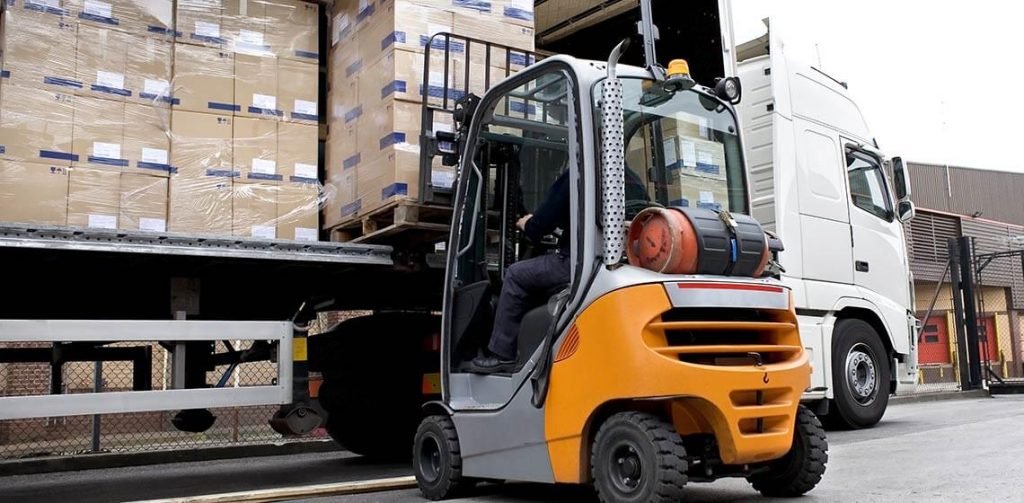
Forklift trucks are used in many different industries throughout the UK and for a wide variety of purposes. Some of their most common uses include…

When was asbestos banned in the UK?
Asbestos was fully banned in the UK in 1999 due to increasing awareness of the health risks, although it remains in many buildings to this day.
We are a claims management company regulated by the Financial Conduct Authority.
When Was Asbestos Banned in the UK?
Despite its health risks being known for decades, asbestos continued to be used on a large scale in the UK until the end of the last century. A complete ban was finally introduced in 1999, but asbestos remains present in many buildings and materials constructed before the year 2000.
Understanding who may still be at risk of exposure, how this could affect their health, and what measures are in place to manage those risks is crucial for protecting both workers and the public today.
By submitting this form you agree to be contacted by our partners. Find out how we handle your data in our privacy policy.
 Table of Contents
What is asbestos?
Asbestos refers to a group of six naturally occurring silicate minerals made up of long, thin fibrous crystals. This gives them remarkable properties such as strength, durability, fire resistance, electrical insulation and high flexibility.
There are six different types of asbestos, but only three of them were commonly used in the UK:
- Chrysotile (white asbestos) was the most common form.
- Amosite (brown asbestos).
- Crocidolite (blue asbestos) was the most dangerous form, due to its thin, hair-like fibres that are easy to inhale.
Despite its valuable properties, the tiny fibres released when asbestos is disturbed are extremely dangerous and can lead to life-threatening diseases.
What is the timeline of the asbestos ban in the UK?
The history of asbestos in the UK dates back to the late 1800s, when the material began to be commercially used, primarily in ships and power-generating plants. Key milestones leading to the full ban on asbestos are:
- In 1906, Dr. Montague Murray presented evidence of a death caused by an asbestos-related condition.
- In 1924, there was the first medical report of a death caused by asbestosis.
- In 1931, the Asbestos Industry Regulations became the first piece of legislation to control the risks of asbestos exposure in factory settings.
- The Factories Act 1961, which was not implemented until 1969, finally protected workers in all industries by requiring controls on asbestos levels in the workplace.
- In the ’60s and ’70s, the UK was one of the largest users of asbestos in Europe, importing over 170,000 tonnes of asbestos per year.
- The Voluntary Asbestos Import Ban of 1970 banned the import of crocidolite to the UK.
- The Voluntary Asbestos Import Ban of 1980 banned the import of brown asbestos to the UK.
- The Asbestos (Prohibition) Regulations 1985 banned the import, supply, and use of blue and brown asbestos, as well as products containing them.
- The Asbestos (Prohibitions) Regulations 1992 banned certain forms of chrysotile asbestos and all amphiboles.
- In 1999, asbestos was finally fully banned in the UK through the Asbestos Prohibition (Amended) Regulations.
When and where was asbestos used in the UK?
Asbestos was widely used in the UK from the late 1800s to the end of the 20th century, reaching its peak usage between the 1950s and 1970s. Due to its unique properties, it has been incorporated into thousands of products across various sectors. Common uses included:
- Building and construction – roof tiles, cement sheets, walls, flooring, asbestos insulation products, fire protection and drainage.
- Manufacturing – in textiles, car brakes, gaskets, packaging materials and household appliances.
- Shipbuilding – used to insulate pipes, boilers, and bulkheads.
- Public buildings – schools, hospitals, and government offices were extensively fitted with asbestos products.
Given its widespread use, it is estimated that over 1.5 million buildings across the UK still contain asbestos today, with the majority being schools and hospitals.
Why was banning asbestos necessary?
Asbestos was finally banned in the UK in 1999, following the growing irrefutable evidence of its severe and often fatal health consequences in the 1970s.
Asbestos materials can be disturbed or damaged by cutting, drilling, sawing, water damage, wear and tear or simply through accidental impact. If this happens, tiny asbestos fibres are released into the air. When inhaled over long periods, these can become lodged in the lungs, causing irritation, the formation of scar tissue, and illnesses such as:
- Mesothelioma – an aggressive cancer of the lining of the lungs or abdomen, which is almost always fatal.
- Asbestosis – scarring of the lungs that causes severe shortness of breath and can sometimes be fatal.
- Lung cancer – asbestos-related lung cancer is similar to cancer caused by smoking and other causes.
- Pleural thickening – the membrane lining the lung thickens, causing breathing difficulties, chest pain and reduced lung function.
Why was asbestos not banned sooner?
There are several reasons why asbestos was not banned earlier, despite evidence of its health risks dating back to the 1920s:
- Economic concerns. Asbestos was cheap, abundant, and widely used in sectors such as construction and manufacturing. Also, its unique qualities made it hard to replace with similar, less hazardous materials.
- Intense industrial lobbying. Lobbying and pressure from powerful industries successfully delayed the ban on the use of asbestos materials for decades.
- A lack of public awareness. For a long time, the dangers of asbestos and the severe health risks associated with it were not widely known by the public or even by medical specialists.
- Delayed health consequences. There was no definitive, clear link between exposure to asbestos and related illnesses, as they often take 20 to 50 years to develop.
According to the Health and Safety Executive (HSE), asbestos exposure is the single most significant cause of work-related fatalities, responsible for around 5,000 deaths each year. Banning asbestos was therefore essential to protect both workers and the public.
Is asbestos still a risk today?
Yes. Although the use of asbestos was banned in 1999, it remains present in many houses and buildings constructed before 2000, including:
- Schools and hospitals
- Council housing
- Factories and warehouses
- Offices and public buildings
That’s because the legislation only prohibited the new use of asbestos. It did not require the removal of asbestos-containing materials (ACMs) that were already present in millions of buildings constructed or restored before the year 2000.
If you find asbestos in your home, the UK Health Security Agency (UKHSA) recommends that you do not disturb it and do not try to remove it without advice. Instead, you should contact your local council for information about its disposal.
Asbestos also poses a risk to many people who work in older buildings or in industries where asbestos was commonly used, including construction workers, plumbers and electricians. Their employers have specific duties to keep them safe from exposure, as detailed below.
What asbestos regulations are in place in the UK?
The primary legislation governing asbestos safety in the UK is the Control of Asbestos Regulations 2012. This places a clear duty to manage asbestos on those who own, occupy, or manage non-domestic premises built before the year 2000 and:
- Presume the presence of asbestos unless there is strong evidence to prove otherwise.
- Assess the presence of ACMs, including their type, amount and condition.
- Keep a written record of the location and condition of the ACMs.
- Assess the risk of exposure and create a plan to manage it.
- Inform anyone who may come into contact with ACMs about their presence and condition.
When it comes to workplace safety, further legislation, such as the Control of Asbestos at Work Regulations 2002 and the Health and Safety at Work Act 1974, specifies the duties of employers, which include:
- Conduct risk assessments to identify if asbestos is present.
- Implement strict control measures, such as ventilation and safe work practices.
- Provide training, instruction and information on the dangers of asbestos and how to avoid them.
- Use HSE-licensed contractors for high-risk asbestos work.
- Supply suitable personal protective equipment (PPE), such as overalls and respirators (if you suffer an injury or illness due to a lack of it, you could make a PPE compensation claim).
If an employer fails to meet their legal duties and you develop an asbestos-related illness, you may be entitled to make an industrial disease claim.
What should I do if I develop an asbestos-related illness?
If you were diagnosed with an asbestos-related illness such as mesothelioma or asbestosis, you should seek legal advice as soon as possible.
If you were exposed to asbestos fibres at work or elsewhere because of someone else’s breach of duty, you may be able to make an asbestos exposure claim. If you have a valid claim, your solicitor will:
- Investigate where and how the exposure occurred.
- Help you gather supporting evidence, such as employment records and medical reports.
- Help you access the best specialist medical care and support.
- File your claim with the negligent party and negotiate compensation for your pain, suffering and financial losses.
Key takeaways
Asbestos was once widely used in the UK across various industries due to its strength, heat resistance, and insulation properties. However, with decades of evidence supporting its devastating impact on the lungs, it was fully banned in the UK in 1999.
Unfortunately, asbestos is still present in many buildings built before the 2000s and still poses health risks to workers and the public. Anyone suffering from an asbestos-related illness may be eligible to make a personal injury claim for compensation.