

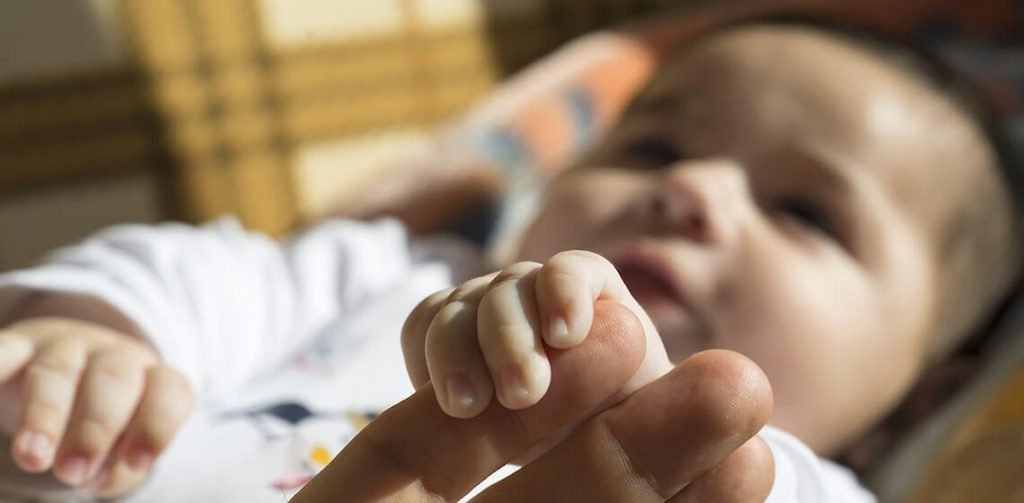
Having a baby should be remembered as an incredible moment in life. However, if the mother or child suffers an injury during birth, the memories…
Brachial plexus compensation claims
If you or your child has suffered from a brachial plexus injury due to somebody else’s negligence, we can help you claim the compensation you deserve.
We are a claims management company regulated by the Financial Conduct Authority.
Brachial Plexus Injury Claims
A brachial plexus injury can significantly impact your life, causing weakness, paralysis, loss of sensation or chronic pain in the affected arm. If another party’s negligence caused your injury, you may be eligible to make a brachial plexus injury claim for compensation.
Common causes of brachial plexus injuries include road traffic accidents, workplace incidents, falls and medical negligence, especially during birth. If a third party is at least partially responsible, they may be liable for the resulting pain, suffering and financial losses.
Our team of experienced solicitors are here to offer you a free case assessment and discuss your eligibility. If your case has merit, they will provide you with a 100% no win no fee service and guide you through all the steps of the claims process.
To get started, call 0800 470 0474 today or fill out our online claim form to request a call back.
By submitting this form you agree to be contacted by our partners. Find out how we handle your data in our privacy policy.
 Table of Contents
Am I eligible to make a brachial plexus injury claim?
The easiest way to find out if you can seek compensation for a brachial plexus injury is through a free consultation with an experienced solicitor who will verify whether:
- Another party owed you a legal duty of care.
- They breached this duty and caused your injury.
- This has caused you pain, suffering and financial losses.
- You are within the legal time limit to start a claim (usually 3 years).
If these criteria apply to your case and can be supported by evidence, you will be able to proceed with a personal injury claim.
How do I make a brachial plexus claim for compensation?
If you suffered an injury to the brachial plexus due to someone else’s negligence, there are a few steps you should take to protect your legal rights and make a successful claim:
- Report the accident to the relevant party.
- Seek medical advice as soon as possible for diagnosis and treatment.
- Consult a personal injury lawyer to discuss the merits of your case.
- Gather evidence, such as witness statements and medical records.
- Notify the defendant by sending them a letter of claim and wait for their response.
- Negotiate a settlement if they admit liability.
- Issue court proceedings if liability is denied.
- Take your case to court if negotiations fail (this only happens in less than 3% of cases).
- Receive your compensation if your claim is successful.
What is a brachial plexus injury?
The brachial plexus is a complex network of nerves that are located in the neck and shoulder region. They originate from the spinal cord and control the movement and sensation in the shoulders, arms and hands.
A brachial plexus injury occurs when these nerves are damaged from stretching, compression or tearing, causing symptoms such as:
- Weakness.
- Numbness or tingling.
- Loss of sensation.
- Burning, stinging, or shooting pain.
- Limited movement.
- Paralysis or a limp arm.
- Decreased grip strength.
The severity of the injury and the age of the affected person directly impact the prognosis for recovery.
What types of brachial plexus injuries are there?
Based on their severity, there are a few types of brachial plexus injuries, including:
- Neuropraxia – a mild stretch or compression of the nerves, which typically heals on its own within a few weeks or months.
- Rupture – the nerve is torn, either partially or entirely, but not at the spinal cord.
- Avulsion – the most severe injury, where the nerve is ripped from the spinal cord.
- Neuroma – this occurs when scar tissue develops around a nerve injury, disrupting the electrical signals.
Based on location, a brachial plexus injury can be further classified into:
- Erb’s Palsy – it involves the C5 and C6 roots (and sometimes the C7) and affects the shoulder and elbow.
- Klumpke’s Palsy – it involves the C8 and T1 roots, and sometimes also the C7 and affects the hand and wrist.
- Total plexus lesion – it involves damage to all or nearly all of the nerve roots of the brachial plexus (C5-T1).
How is a brachial plexus injury diagnosed and treated?
To diagnose your injury, your doctor will assess your range of motion, strength and reflexes and ask you about your symptoms. They may also order imaging tests such as MRI or CT scans and nerve conduction studies.
Treatment depends on the severity and type of injury and may include:
- Rest and reduced activity.
- A splint or brace to support the arm during recovery.
- Medication to manage pain and inflammation.
- Physical therapy to reduce stiffness and improve strength and range of motion.
- Surgical repair of nerves that are torn.
Rehabilitation is essential for recovery after a brachial plexus injury, and it can sometimes go on for months or even years, especially after surgery.
What types of accidents could cause a brachial plexus injury?
Brachial plexus injuries can result from various types of accidents and negligence, including:
- Road traffic accidents in which the impact stretches the neck away from the shoulders.
- Workplace accidents like falls from heights and incidents involving heavy machinery.
- Sports accidents that put excessive pressure or stretching on the nerves.
- Slips, trips and falls that cause a sudden, forceful stretch of the brachial plexus nerves.
- Criminal assaults, such as a stab wound, gunshot wound or being hit with an object.
- Medical negligence during childbirth or surgical procedures.
Can I claim for a brachial plexus injury during childbirth?
Yes. In fact, a significant number of plexus injury claims relate to injuries sustained during birth, which can be due to negligence such as:
- Use of excessive force during delivery.
- Improper use of forceps or other tools.
- Failure to follow protocols for shoulder dystocia.
- Failing to recognise and manage complications.
- Not performing a C-section in cases where the risk of injury was high.
If your child suffered a brachial plexus injury during childbirth, you can make a medical negligence claim on their behalf as their litigation friend. If you’re over 18 and suffered a brachial plexus injury at birth that has never been claimed for, you have until your 21st birthday to claim compensation yourself.
Can I be dismissed if I claim for a workplace injury?
Under the Health and Safety at Work Act 1974, your employer must take all reasonable measures to keep you safe from injuries, including those that could affect the brachial plexus nerves.
This includes providing a safe work environment and machinery, as well as adequate training and personal protective equipment. If they fail to do so and you are injured due to their negligence, you are legally entitled to make a workplace accident claim.
Your employer cannot sack you or mistreat you for seeking compensation. If they do so, you can make a further claim for unfair dismissal at an employment tribunal.
What can be the consequences of a brachial plexus injury?
Based on the type and severity of the injury, you can experience various consequences, including:
- Physical impairment, ranging from mild weakness to paralysis of the affected arm.
- Numbness, tingling or loss of feeling in the affected area.
- Chronic pain that can be difficult to manage.
- Muscle atrophy, reduced strength and altered appearance.
- Bone deformities, especially in children with severe paralysis.
- Stiffness and limited range of motion.
- Need for ongoing therapy or surgery.
- Psychological impacts, such as anxiety or depression.
- Loss of earnings if you are unable to work.
- Impact of social life, relationships and hobbies.
Evidence needed to support a brachial plexus compensation claim
To build a strong claim for brachial plexus injury compensation, you could use various types of evidence, depending on your circumstances. These include:
- All relevant medical records, including diagnostic scans, doctor’s notes and treatment plans.
- A report from an independent specialist on how your injury was caused by negligence and your prognosis.
- A copy of an accident report, if you were injured at work or in a public place.
- Photos or videos of the accident scene, including CCTV and dashcam footage, if available.
- Statements from witnesses to your accident or the substandard care from a medical professional.
- Your own detailed testimony, including your symptoms, pain levels and the impact on your life.
- Proof of related financial losses, such as receipts, payslips and invoices.
Can I make a brachial plexus birth injury claim on behalf of my child?
Yes, as a parent or guardian, you could make a claim on behalf of your child if they suffered a brachial plexus injury during their birth or in an accident.
You will act as their litigation friend, with the court’s prior approval. The process is similar to any other negligence claim, and you will have to represent your child’s best interests.
Any compensation awarded will be held in a court bank account or a personal injury trust and released to the child on their 18th birthday.
What is the time limit for making a personal injury compensation claim?
Under the Limitation Act 1980, there is a general three-year time limit to make an injury compensation claim, starting from:
- The date of your accident or the negligent action.
- The date you first became aware that you suffered a brachial plexus injury due to negligence (the date of knowledge).
For children, the three-year limitation period only begins on their 18th birthday. There is no time limit for individuals who lack the mental capacity to handle a claim.
You can read more about time limits here: How long do I have to start a claim?
How much compensation could I receive for a brachial plexus injury?
The compensation for brachial plexus injuries is awarded based on two types of damages:
- General damages cover the pain, suffering and impact on daily life (loss of amenity).
- Special damages cover related financial losses and expenses, such as private medical care and loss of earnings.
According to our personal injury compensation calculator and the guidelines from the Judicial College, you could receive:
- Up to £9,700 for minor injuries with recovery within a few months.
- Up to £14,000 for more severe damage resulting in stiffness and mobility issues.
- Up to £99,500 for a serious injury causing permanent paralysis.
Can I make a No Win No Fee claim?
If you are entitled to claim compensation for damage to the brachial plexus, your solicitor will be happy to represent you on a no win no fee basis. This means that:
- You will not need to pay any upfront legal fees.
- There is no financial risk if you lose the claim, as you won’t have to pay for your legal representation.
- If you win the claim, your solicitor will get a success fee capped at 25% of your compensation.
How long will a brachial plexus injury claim take?
The duration of a brachial plexus injury claim can vary significantly. A straightforward case where liability is admitted from the beginning could be settled within a few months. On the other hand, complex cases can take years to resolve.
Your solicitor will aim to resolve your case in the shortest time possible. They may also be able to secure interim payments while your claim is ongoing to help ease any financial strain, such as mortgage payments.
You can read more about what factors impact the length of a claim here: How long does a personal injury claim take?
If you want to start a claim for a brachial plexus injury, contact us for a free case assessment. You can call 0800 470 0474 today or enter your details into our contact form to request a call back.