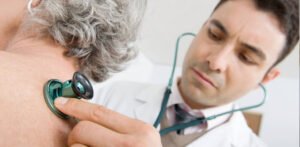


The term hospital negligence refers to errors made by a hospital and its staff that result in the illness or injury of a patient. The…
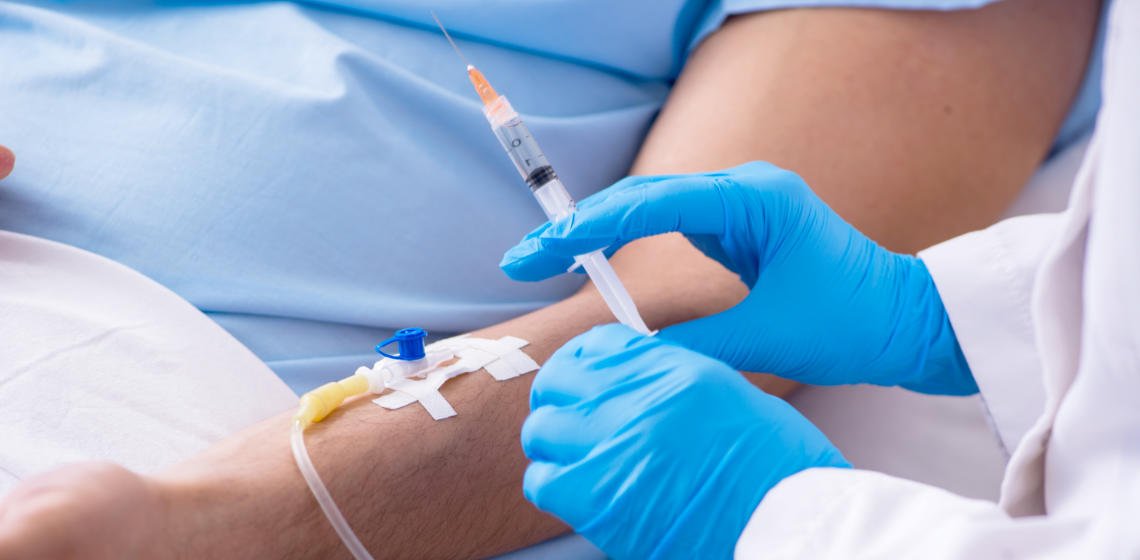
Have you contracted an infection in hospital?
If you have suffered from a hospital acquired infection within the past three years, you could be entitled to make a medical negligence compensation claim.
We are a claims management company regulated by the Financial Conduct Authority.
Hospital Infection Claims
Hospitals have a legal duty to keep patients, staff, and visitors safe from avoidable harm, including acquired infections. If this duty is breached and you develop an infection during a hospital stay, you may be entitled to make a hospital infection claim.
A hospital acquired infection can cause significant health problems, especially to patients with weakened immune systems. This can severely impact their recovery, lead to long-term complications and may even be fatal.
If you want to find out if you could claim for a hospital infection, call 0800 470 0474 or enter your details to request a call back. A friendly solicitor will offer a free consultation to discuss your case and legal options.
 Key points about hospital acquired infection claims
- Can I make a claim?
You may be able to claim if you developed an infection such as MRSA due to poor hygiene, contaminated equipment or lack of infection control in hospital. - Who is responsible?
The hospital or NHS trust may be liable if they failed to follow protocols or provide a safe environment for patients. - How long do I have?
You normally have 3 years from when you became aware of the negligence or infection to begin your claim. - How much could I receive?
Compensation depends on how the infection affected your health, length of hospital stay, and any long-term complications. - Do I have to pay anything?
Your solicitor will offer a no win, no fee agreement, meaning you only pay a fee if the claim is successful.
If you would like to speak to a legal adviser about making a claim, call free on 0800 470 0474 or click here to request a call back.
By submitting this form you agree to be contacted by our partners. Find out how we handle your data in our privacy policy.
 Table of Contents
Am I eligible to make a hospital acquired infection claim?
Yes, you may be eligible to make a hospital infection claim if it can be proven that the hospital was negligent. To have a valid medical negligence compensation claim, you must show that:
- The hospital breached its duty of care towards you.
- You developed an infection as a result.
- This has caused you pain, suffering and possibly financial loss.
- You are within the legal time limit to start your claim (usually three years).
Who is responsible for an acquired infection whilst in hospital?
The hospital may be responsible for a hospital-acquired infection. Hospitals and medical staff have a legal duty to minimise the causes, development, and spread of infections by adopting secure and thorough hygiene practices. These include:
- Wash their hands regularly with soap or sanitisers.
- Regular disinfection of rooms, equipment and surfaces.
- Use appropriate PPE, such as gloves, masks and gowns.
- Isolate and properly treat patients with infectious diseases.
- Proper handling and disposal of waste.
- Use antibiotics appropriately.
If a breach of these duties caused your infection, the hospital could be liable for negligence.
Can I claim compensation if I contracted an infection while working at a hospital?
Yes, you may have grounds to make a compensation claim if you acquired an infection while working at a hospital. Your employer owes you a legal duty of care, and they may be liable for compensation if your infection was caused by:
- Unsafe working conditions.
- A lack of training or adequate PPE.
- Hazardous handling of contaminated materials.
- Poor hygiene practices.
- Unsafe equipment or work areas.
- A lack of health and safety regulations.
If negligence led to your injury, you may be eligible to make an accident at work claim.
What is the time limit to start a hospital infection claim?
You have three years to make a hospital acquired infection claim, usually starting from the date you received your diagnosis, known as the date of knowledge.
Different time limits might apply in certain circumstances, such as:
- A parent or legal guardian could claim on behalf of a child at any time before their 18th birthday, regardless of when the infection occurred.
- The time limit is suspended if the claimant is an adult who lacks the mental capacity to conduct legal proceedings.
- In case of a fatal infection, you could claim compensation within three years from the date of death of your loved one.
How do I make a compensation claim for a hospital infection?
To make a medical negligence compensation claim, the first thing you should do is contact a specialist hospital infection claims solicitor. They will offer you a free initial consultation to assess your case. If you can proceed, they will:
- Help you gather supporting evidence, including a specialist report.
- Send a letter of claim to the defendant and handle all communication with them.
- Negotiate the maximum amount of compensation on your behalf.
- Issue court proceedings if liability is denied or negotiations fail.
- Provide support and advice at every step of the claims process.
How much compensation can I claim for a hospital infection?
The compensation your solicitor can help you claim will depend on the severity of your illness and any long-lasting impact on your life. This will cover:
- Compensation for the pain and suffering caused by the illness (general damages).
- Any financial losses linked to the infection (special damages).
Based on the guidelines from the Judicial College, you could receive:
- £750 to £3,100 for minor symptoms with recovery within months.
- £3,000 to £7,000 for moderate pain and fatigue with full recovery within a year or two.
- £9,540 to £19,200 for severe diarrhoea, vomiting and some long-term disturbances.
- £29,000 to £40,000 for severe long-term symptoms.
- Up to £63,980 for a kidney infection with a significant risk of total loss of function.
Do medical negligence solicitors provide a No Win No Fee service?
If the solicitors we work with believe you have a fair chance to win hospital infection compensation, they will offer you a no win no fee agreement. This service will make the medical negligence claims process much less stressful for you because:
- You do not have to pay any upfront fees for legal representation.
- You do not have to pay a single penny if your claim is unsuccessful.
- You only pay your solicitor a pre-agreed success fee deducted from your compensation if you win the claim (capped at 25%).
How do hospital-acquired infections occur?
Germs and bacteria pose a significant risk to patients in hospitals, especially those with weaker immune systems or open wounds. Hospital acquired infections can spread rapidly and typically occur due to:
- Reusing contaminated equipment or materials.
- Improper cleaning of surgical instruments and surfaces.
- Failing to sanitise hospital wards thoroughly.
- Misuse of antibiotics leading to resistant bacteria.
- Failure to wash used bedding sufficiently.
- Inadequate handwashing or improper use of hand sanitisers.
- Poor post-surgery check-ups.
- Incorrect medication or delays in diagnosis.
What are the symptoms of a hospital acquired infection?
The symptoms of a hospital-acquired infection can vary depending on the type of bacteria or illness, but common signs include:
- Fever and chills.
- Redness, swelling, or pain around a surgical site or wound
- Pus, discharge, or unusual odour from a wound.
- Vomiting, nausea or diarrhoea.
- Severe stomach cramps.
- Fatigue, weakness, or feeling unwell.
- Rapid heart rate or low blood pressure.
- Confusion or dizziness, especially in older or vulnerable patients.
- Pain or burning during urination.
What are the most common types of infections acquired in hospitals?
Some of the most common claims for a hospital infection are related to:
MRSA – This is a skin infection that can progress to cellulitis and lead to serious complications such as sepsis, septic arthritis, or endocarditis. If you have been impacted by the effects of MRSA, you could be entitled to make an MRSA compensation claim.
Clostridium Difficile – C. difficile infections can be difficult to treat and can cause colitis and significant damage to the colon. According to the Office for National Statistics (ONS), C. Difficile was the cause of 1,646 deaths in England and Wales in 2012.
Other common hospital acquired infections that could lead to a hospital negligence claim include:
- Escherichia coli (E. coli)
- Hospital-acquired pneumonia
- Enterococcal infections
- Acinetobacter infections
- Carbapenemase-Producing Enterobacteriaceae
- Sepsis
- Urinary tract infections
What are the potential health risks of hospital acquired infections?
The consequences of an infection acquired because of a negligent medical professional or hospital include:
- Delayed recovery and longer hospital stays.
- Severe skin and soft tissue infections, such as cellulitis or abscesses
- Long-term disability and health issues.
- Pneumonia or respiratory failure.
- Joint or bone infections, which can cause long-term pain or reduced mobility.
- Sepsis, which can lead to organ failure and even death.
- Additional care costs and financial losses.
- Emotional and psychological trauma.
Can I claim compensation for a fatal infection acquired in hospital?
Yes, if you are a dependent of the deceased, you could be able to claim compensation under the Fatal Accidents Act 1976. This may cover:
- Loss of services and financial support.
- Funeral expenses.
- Pain, suffering and financial losses incurred by your loved one before they passed away.
- A bereavement award of £15,120.
How do I prove negligence in a hospital acquired compensation claim?
If you work with an experienced solicitor, they will gather evidence to prove how and why you suffered an infection, which could include:
- Photographs showing poor hygiene standards.
- Photos of any visible signs of infection.
- Medical records detailing your infection and the treatment you received.
- Expert medical reports confirming the negligence.
- Statements from other patients, friends and family, or hospital staff.
- Copies of the ward’s cleaning records.
- Evidence of financial losses and expenses you incurred due to the hospital infection.
- CCTV footage from hospital cameras, which may help prove you received substandard care.
To find out if you have a valid hospital infection claim, call 0800 470 0474 or fill in our online claim form to receive a call back. An experienced legal adviser will offer you a free case assessment and answer any questions you may have.